
Amplify Your Training Impact: Experts Share 3 Key Insights to Use Now
In a recent webinar, Interplay Learning experts emphasized that designing effective training programs to boost technician engagement, competence, and confidence—and thereby increase business profitability—requires connecting training to technicians' personal and professional goals to foster ownership, using best practices and real-world insights shared by industry veterans Dan Clapper, Ken Midgett, and strategist Rachael Hayduk.
Amplify Your Training Impact: Experts Share 3 Key Insights to Use Now
-
February 27, 2024
-
 by
Interplay Learning
by
Interplay Learning
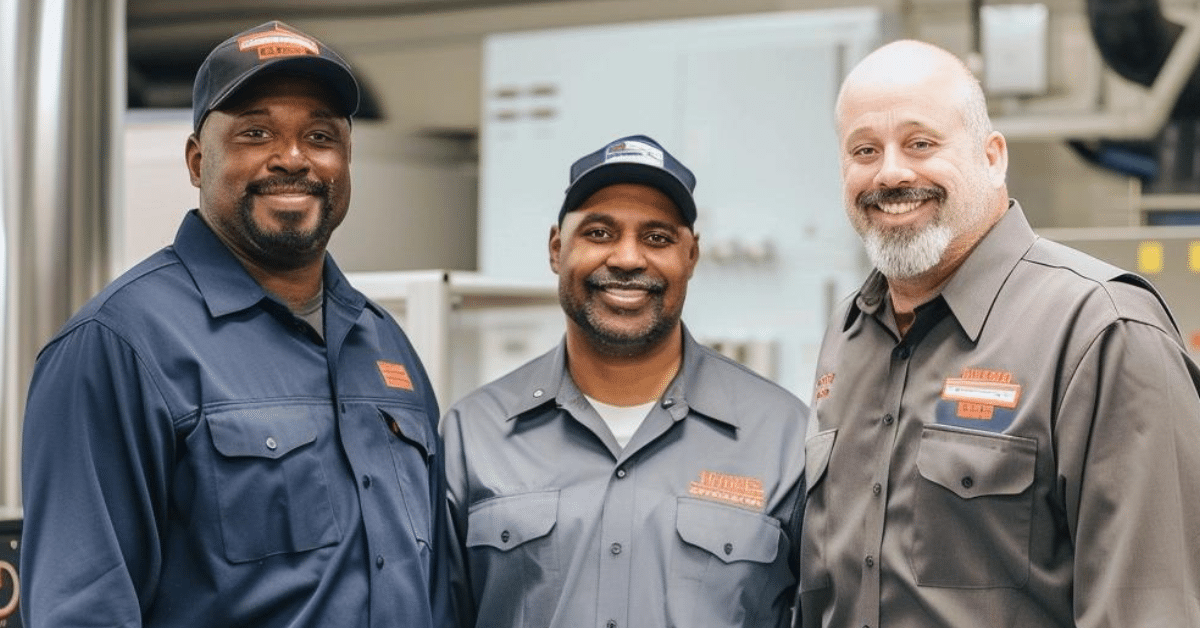
When you have more engaged, competent, and confident technicians, your business is more profitable. Designing a training program that gets you and your team there may feel like it’s easier said than done, but it doesn’t have to be.
In a recent webinar, The Path to Profitability: How to Design a Winning Training Program, interplay training experts and trade industry veterans Dan Clapper and Ken Midgett, and senior learning strategist Rachael Hayduk shared best practices, critical insights, and real-world stories to help design a training program that elevates your people and your business.
Here are three key insights shared during the webinar:
- 1.Connect Training to Personal and Professional Goals
It is critical to align training programs with each technician’s aspirations, both personal and professional. By emphasizing how training contributes to financial stability and career development, you can not only foster technician buy-in but also allow technicians to feel a sense of ownership—and thus responsibility—for the training assigned to them.
“Not all techs will immediately see or appreciate how training benefits them, but creating that sense of ownership exponentially increases training engagement—and that willingness to learn lessens the admin burden to ensure that assignments get completed,” says Interplay Learning Plumbing Marketing Director Ken Midgett. “Leaders need to really know their techs, understand their goals, and use that knowledge to establish the benefits of the training, as each tech will be different.”
Some techs may be motivated more by immediate financial goals, whether that’s making a larger principal payment on their mortgage, taking a family vacation, or buying a hunting cabin; while others will want to understand longer term opportunities for career advancement. “Regardless of their unique motivations, it’s important to share the career vision that training will help unlock for them; help them see and imagine where their career could go in the next 1, 5, 10 years—and let them know they’re increasing their technical net worth and providing career stability,” explains Midgett.
- 1.Conduct a Needs Assessment for Effective Tailoring
Leaders need to conduct thorough needs assessments from an organizational and learner perspective to ensure they not only have a meaningful training program but also shared goals. Understanding the goals, challenges, and skill levels of technicians enables the design of tailored training programs that address specific needs effectively, but it needs to be balanced with establishing organizational needs.
“If you focus too much on just the organizational side, the learners are going to feel disconnected, and they’re not going to engage with the training, much less see the value of it,” says Interplay Learning HVAC and Facilities Maintenance Market Director Dan Clapper. “If you focus too much on the learner perspective, however, it will be difficult for the organization to see the return on investment of training.”
Clapper recommends using training to uncover the needs of your techs, including what mistakes are being made, what types of equipment they want to learn, skills they want to develop, and to dig into how they’re managing time—and how up-skilling competency will increase their on-site efficiency, for example. Starting to define organizational needs can be as straightforward as open conversations with leaders across the company.
Interplay Learning’s Senior Learning Strategist Rachael Hayduk underscores the importance of aligning needs with goals that define success when it comes to training: “If there’s no shared language among your organization, or even your technicians, channeling motivation will be really tough, so the more specific, measurable, and time-based your goals, the better.”
- 1.Foster a Culture of Training based on Habits
Creating and nurturing a culture of continuous learning within organizations starts with involving leaders, but the most successful training programs are developed by companies who create an environment where training is valued and integrated into daily operations.
“I like to call it ‘before the job training’ versus ‘on the job training,’” says Clapper. “I’ve seen profitable companies where the techs engage in micro learning, literally just five minutes of virtual training each morning before they actually show up on the job, where they’re working on expensive, often dangerous equipment. Training becomes part of their routine, and it creates a more direct connection with the training and the day’s work.” When a tech starts his day developing a new diagnostic skill, testing and validating his technical knowledge, or exploring the inner workings of a piece of equipment, that learning builds confidence—in themselves and in front of the customer.
Building training into your tech’s daily routine is key to making training not a chore, but a habit. “It’s the power of repetition, and how we recall information,” explains Hayduk. “It keeps us sharp, where five minutes each day has much more positive impact than eight hours once a quarter. if you’re inspiring training habits and lifelong learning at the leadership levels, you’re likely producing similar minded technicians.”
Additionally, there are various strategies to enhance learner engagement and motivation. From incorporating incentives, games, and competitions to providing regular feedback and recognition, businesses and organizations can create an environment where training is seen as a tangible opportunity for growth and development.
By understanding technicians’ motivations, tailoring training to individual needs, fostering a culture of continuous learning, providing personalized learning paths, and implementing engagement strategies, organizations can elevate their training initiatives and simultaneously empower technicians and their business to reach their full potential.
Want to learn more? Watch the full webinar: The Path to Profitability: How to Design a Winning Training Program, featuring Clapper, Hayduk, and Midgett. In the recording, you’ll get a comprehensive overview of best practices for designing and implementing effective training programs.
Latest

Boosting Your Bottom Line: How to Maximize Training ROI

Why Gen Z Learners Need a Different Approach to Trades Education

5 Ways to Navigate the Teacher Shortage with Technology
6 Building Blocks Your Trades Program Needs to Win Funding, Improve Delivery, and Increase Access
Text
Bigger text
Line height
Text align
Readable font
Visual
Contrast
Grayscale
Hide images
Pause animations
Orientation
Screen reader
Highlight links
Reading mask
Outline focus
Sitemap
Page structure
We use cookies
We use cookies to improve your experience on this website. You may choose which types of cookies to allow and change your preferences at any time. Disabling cookies may impact your experience on this website. You can learn more by viewing our Cookie Policy.
Do Not Sell or Share My Personal Information

Qualified