
Complete Lockout Tagout Procedure Guide
The OSHA standard for Control of Hazardous Energy mandates lockout tagout procedures, which involve physically locking or tagging energy-isolating devices on machinery to prevent hazardous energy release and protect authorized employees performing maintenance from serious injury or death.
Everything You Need to Know About Lockout Tagout Procedures
-
September 15, 2020
-
 by
Chad Soucy
by
Chad Soucy
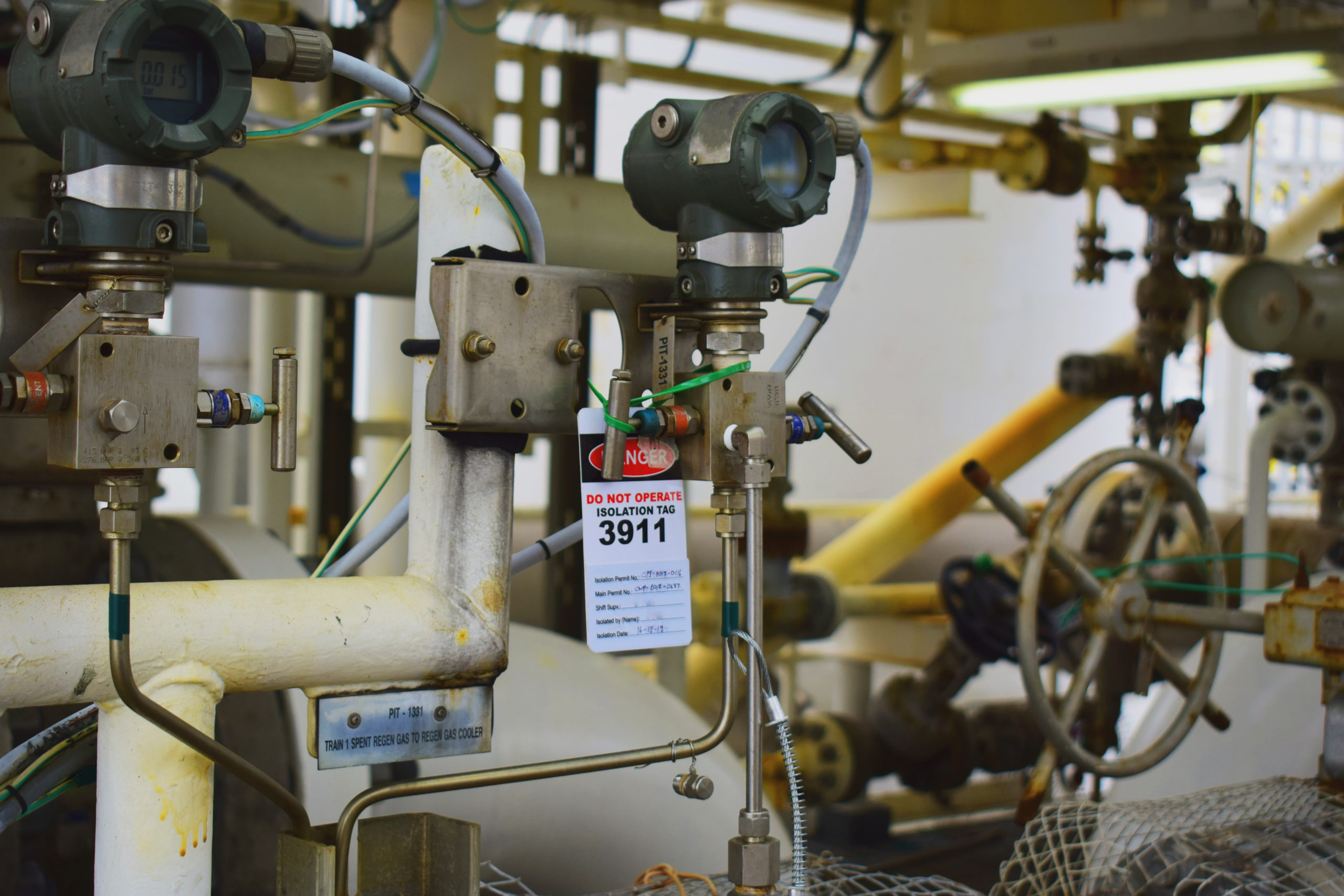
The OSHA standard for the Control of Hazardous Energy addresses the lockout tagout procedures and practices necessary to disable machinery or equipment, thereby preventing the release of hazardous energy while employees perform service and maintenance activities.
The standard outlines measures for controlling hazardous energies relating to electrical, mechanical, hydraulic, pneumatic, chemical, thermal and other energy sources. This is especially important for employees servicing or maintaining machines or equipment, because they may be exposed to serious physical harm or death if hazardous energy is not properly controlled.
Definition of Lockout Tagout
Lockout is the physical application of a lock or other lockout devices to the energy-isolating devices of equipment and machines that prevent the operation of the machine. Energy-isolating devices prevent the release of energy. Manually operated electrical circuit breakers and disconnect switches are examples of energy-isolating devices.
Lockout tagout procedures exist to protect employees servicing or maintaining equipment from exposure to hazardous energy.
Authorized vs Affected Employees
OSHA defines an Authorized Employee (AE) as the person who locks out or tags out machines and equipment, or the person who physically applies the lockout device and tag to an energy-isolating device.
OSHA defines Affected Employee (AFE) in one of two ways:
- 1.A person whose job requires operation or use of a machine or equipment that is under lockout or tagout.
- 2.A person whose job requires work in an area in which the service or maintenance of locked out or tagged out equipment is being performed.
If requested by an authorized employee, affected employees assist authorized employees during lockout tagout procedures by identifying sources of energy and shutting off equipment.
Primary and Secondary Energy Sources
Hazardous energy is broken down into two categories:
- 1.Primary energy sources — Electrical, mechanical, hydraulic, pneumatic, chemical and thermal energy
- 2.Secondary sources — Considered stored energy like tension in a spring, a charged capacitor or steam
Equipment may have a single source of energy or multiple sources of energy. Recognizing all energy sources could mean the difference between life and serious injury or death when servicing or maintaining equipment under lockout or tagout.
AEs are required to receive training on recognizing primary and secondary hazardous energy sources, and energy isolation and control procedures for their work area. AFEs should be able to identify primary and secondary energy sources in equipment and machines.
Effective Lockout Tagout Program
Consider all the energy sources that may be connected to the equipment. Be very specific, because ambiguous language could lead to an incorrect or even dangerous action.
Step 1: Detailed Procedures for Equipment
Begin by making sure that you have identified the equipment correctly and accurately, including its specific location. Determine the correct procedure for shutting down and restarting the equipment, then detail that procedure.
It’s important to consider all the energy sources that may be connected to the equipment. For example,an electric/hydraulic system has a primary electrical source and secondary hydraulic energy source.
Step 2: Notify Affected Employees
When maintenance is going to be performed, all the employees that may be affected should be notified. AFEs need to know how long the equipment may be unavailable. If the unavailability of the equipment requires a change in work processes, be sure they are familiar with the steps to be taken.
Step 3: Properly Shut Down Equipment
Give a detailed explanation of the shutdown procedure. It’s not enough to say something like “lockout the machine.” To ensure everyone’s safety, spell out the exact actions to be taken and the correct sequence for performing those actions.
Step 4: Disconnect All Primary Energy Sources
Identify the primary energy source and method of isolation for lockout; a local disconnect is common for electricity, whereas a root valve is typical for steam, water, gas or compressed air.
Don’t assume that the person performing lockout will understand what your definition of isolation is.
Step 5: Relieve All Secondary Energy Sources
While disconnecting the primary energy sources may remove much of the potential danger, it’s possible that there are sources of residual energy, such as trapped heat in a thermal system, fumes that may need to be vented, or even tension in a spring assembly. Identify the process that will relieve any remaining pressure or other energy. Also, consider other hazards such as moving equipment that must be secured before work begins.
Step 6: Verify the Lockout
If the energy is electricity, perform a live-dead-live check with a digital multimeter (DMM).
Once you have disconnected all primary and secondary sources of energy and attached a lockout device to the equipment, attempt to start it. Perform a safe condition check after verifying that nobody is in a position where they could be hurt.
This is to ensure that it cannot be started without removing the device.
Step 7: Shift Changes
The equipment must remain in a lockout tagout condition so that workers starting the shift are aware that the equipment is out of service.
Step 8: Restarting Equipment
When the work is done, and all tools and other materials have been removed, the machine can be brought back into operation.
Maintaining Procedures
Necessity is the mother of invention. As in most business applications, efficiency determines success or failure, and adapting operating procedures are the byproduct.
To ensure a quality lockout tagout program’s safety effectiveness, it is necessary to update and adapt operating procedures in detail, reflecting changes in isolating primary and secondary energy sources.
For a more in-depth look at lockout tagout procedures, taught by an industry expert and Master Electrician, check out Interplay Learning’s Lockout/Tagout course. You can also check out our blog post that highlights all you need to know about our electrical course catalog.
Chad Soucy
Interplay Learning Electrical Expert
Chad is Interplay’s electrical expert and is a Master Electrician. Chad has progressed as an electrical professional throughout his career, with early beginnings in rewiring/wiring homes to QA/Commissioning plants, honing his skills in all aspects of the electrical trade along the way. He transitioned his career through Residential, Commercial and Industrial sites, and in 2012, further expanded on his mission to lifelong learning in becoming an electrical instructor. He continued on this path as an online course developer and is steadfastly committed to electrical safety and sound adult learning theories.
Latest

Boosting Your Bottom Line: How to Maximize Training ROI

Why Gen Z Learners Need a Different Approach to Trades Education

5 Ways to Navigate the Teacher Shortage with Technology

6 Building Blocks Your Trades Program Needs to Win Funding, Improve Delivery, and Increase Access
Text
Bigger text
Line height
Text align
Readable font
Visual
Contrast
Grayscale
Hide images
Pause animations
Orientation
Screen reader
Highlight links
Reading mask
Outline focus
Sitemap
Page structure
We use cookies
We use cookies to improve your experience on this website. You may choose which types of cookies to allow and change your preferences at any time. Disabling cookies may impact your experience on this website. You can learn more by viewing our Cookie Policy.
Do Not Sell or Share My Personal Information

Qualified