
Engage Gen Z Learners with VR Skilled Trades Training
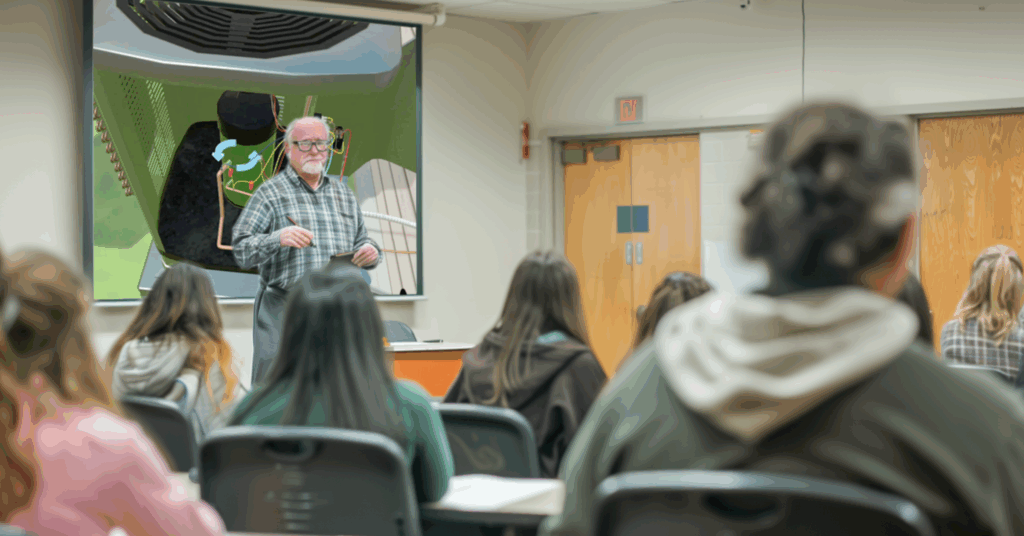
The guide emphasizes that traditional textbook-based teaching fails to engage Gen Z learners or meet employer demands, advocating for hands-on, experiential VR skilled trades training to better prepare students with real-world problem-solving and adaptable skills from day one.
Guide
New Teaching Strategies for the Skilled Trades
Increase Learner Engagement with Hands-On Learning
Business email*
First name*
Last name*
Phone number*
Company Name*
Job title*
How many learners are at your organization?*
Please SelectIt's just me / I don't work for a company or school2-1415-2425-250251+
Latest UTM Campaign
Latest UTM Content
Latest UTM Medium
Latest UTM Source
Latest UTM Term
Latest Conversion Activity (Inbound vs Outbound)
Most Recently Downloaded Whitepaper
Business email*
First name*
Last name*
Phone number*
Company Name*
Job title*
How many learners are at your organization?*
Please SelectIt's just me / I don't work for a company or school2-1415-2425-250251+
Latest UTM Campaign
Latest UTM Content
Latest UTM Medium
Latest UTM Source
Latest UTM Term
Latest Conversion Activity (Inbound vs Outbound)
Most Recently Downloaded Whitepaper
From Textbooks to Real-World Skills
Textbooks and lectures aren’t enough anymore. Today’s students, especially Gen Z, expect learning that feels relevant, experiential, and connected to the real world. At the same time, employers are struggling to find graduates who can problem-solve, adapt on the job, and contribute from day one. The gap between what students learn and what employers need is growing, and it’s not because instructors don’t know the material; it’s because traditional teaching methods aren’t designed for modern learners or today’s workforce demands.
It’s up to classroom leaders to challenge outdated methods and embrace new strategies that engage students and equip them with the skills they’ll need from day one.
This guide, drawing on the experiences of two innovative instructors, introduces two effective teaching strategies: constructivist learning and competency-based experiential learning. You’ll learn what they are, why they work, and how to implement them in your classroom using real-world examples, immersive tools like VR and simulations, and insights from instructors already seeing results.
You’ll gain insights into:
-
Why traditional teaching methods are falling short in addressing evolving student expectations, rapid technological advancements, and increasing industry demands.
-
How Constructivist teaching empowers students to actively build their knowledge through hands-on activities, simulations, and real-world problem-solving.
-
The benefits of Competency-Based Learning and how it leads to higher certification rates and job readiness.
-
Practical tools and technologies, including immersive simulations and virtual reality, and how they can help you effectively implement these new teaching strategies in your classroom.
Text
Bigger text
Line height
Text align
Readable font
Visual
Contrast
Grayscale
Hide images
Pause animations
Orientation
Screen reader
Highlight links
Reading mask
Outline focus
Sitemap
Page structure
Qualified