
Four Misconceptions About Being a Plumber
The article addresses four common misconceptions about plumbing, emphasizing that despite a significant labor shortage and high demand for plumbers, many people misunderstand the profession as merely fixing toilets, when in fact plumbers play a crucial role in public health by ensuring safe water systems and preventing disease.
Four Misconceptions About Being a Plumber
-
February 3, 2023
-
 by
Interplay Learning
by
Interplay Learning
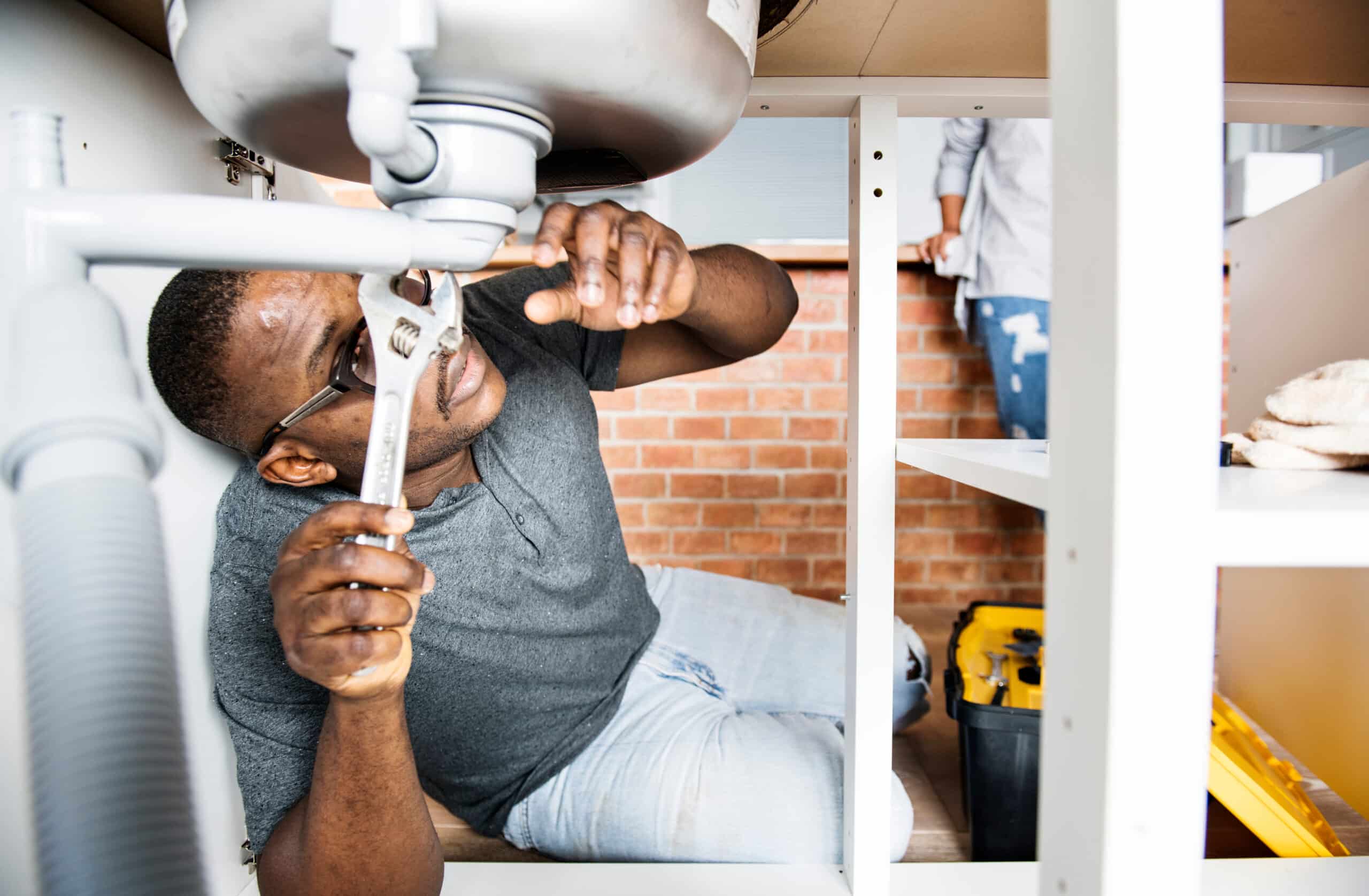
The trades are facing a labor shortage, and plumbing has been the hardest hit. According to the National Association of Home Builders, there is a 55% shortage of plumbers available for work. The U.S. Bureau of Labor Statistics estimates that there will be roughly 50,000 openings for plumbers, pipefitters and steamfitters each year, on average, over the next decade. Most of those openings are expected to result from the need to replace workers who retire.
So why aren’t more people joining an industry that has not only historical ties toAncient Romans and Queen Elizabeth I but also a promising future? It could be because of common misconceptions about plumbing, so let’s break them down.
Myth: Plumbing is Only Working on Toilets
When people think of plumbers, the first thing that comes to mind might be clogged toilets, but plumbing is much more than unblocking drains. It is about keeping people safe and preventing disease. If you’re safe from cholera, thank a plumber. Since ancient times, plumbing has ensured people have safe drinking water by building systems that separate waste from potable water.
Plumbers design, install, maintain and service plumbing systems. A plumber designed the system in your home. The architect designed the house and created the general areas where the plumping would go. The builder puts up the frame and walls, but neither one knows what needs to happen to make the plumbing system actually work.
Most of us take for granted all of the work that plumbers do. Do you want heat in the winter or a nice hot shower? Gas piping is done by a plumber. Do you value healthcare? Plumbers provide water and gas piping for hospitals. And, if you dine out or hit the drive-through, know that a plumber designed and built systems that allow commercial kitchens to work.
Many of the items we use daily also require a plumber’s expertise. Many of the widgets built today are made on machines using hot and cold water, compressed air and steam—all done by a plumber.
Myth: You Don’t Need Extensive Training to Become a Plumber
People often think you can get a magnet with your name on it, throw it on the side of a van and become a plumber, but that is not the case. Plumbing is a highly technical skill that requires training and years of experience. Plumbers start as apprentices before progressing to journeymen and, ultimately, master plumber.
Becoming an apprentice requires a general education entry. You don’t have to have an associate degree or a degree from a technical college, but you do have to complete a national apprenticeship program that requires on-the-job training and classroom time. The window time varies by state, but a good rule of thumb is four years and 8,000 hours, including 145 hours of classroom time, for you to become eligible to take a state or city journeyman’s test. Once you pass the test, you reach the journeyman classification so they can work unsupervised.
Just like journeymen oversee apprentices, master plumbers oversee journeymen and typically will own or run a business. Becoming a master plumber requires another year or so of training, depending on your state, and then you are required to take the master plumber exam (which is longer and more challenging than the journeyman’s exam). Once you become a master plumber, you can practice plumbing for the public, charge for your services and own and operate your own business.
Myth: There Aren’t Many Growth Opportunities in Plumbing
There are already significant opportunities in plumbing (remember that 55% shortage mentioned earlier?), and more are coming. The national average age of a master plumber is 58 years old. That means they will be retiring in droves over the next decade. The fact is that plumbing is an essential job that’s currently in growth mode.
And, just like in other careers, there are multiple paths within the plumbing industry. Do you want to become an entrepreneur and own your own business? In just five years, you can have all the training you need to hang your own shingle for a profitable and in-demand service.
Plumbers can also choose to specialize in new construction or service and repair, both residential and commercial. They can also opt to specialize in remodeling and alteration. While today’s plumbers would like to remodel a kitchen or add a bathroom, in 1833, President Andrew Jackson hired plumbers to renovate the White House, bringing in potable, running water.
There are also countless opportunities to work in the industry but not in the field. Those interested in engineering can use their skills in drafting plans for mechanical and plumbing systems. Plus, plumbers’ expertise is needed on the supply side, such as working at a supply house with materials and ensuring they get where they need to go or representing manufacturers. Many wholesalers also have large showrooms and walk customers through the kitchen and bath design process, which requires someone who knows how to plumb. You don’t have to turn wrenches to be part of the industry.
Myth: Virtual Training Doesn’t Work in the Plumbing Market
Becoming a journeyman and master plumber requires classroom time, and virtual training can be an excellent supplemental resource. There are some limitations to virtual training—it can’t teach a plumber how tight to make a bolt (at least not yet)—but that doesn’t mean it doesn’t work. With virtual training, learners can develop the skill set and the muscle memory to do certain tasks in a safe environment and they can practice something as many times as it takes. It also prepares them to make the most of their time on a job site and be prepared when they get there.
Virtual training coupled with on-the-job training is much more impactful than on-the-job training coupled with classroom setting training. Learners (especially younger generations) acquire information faster, and absorb it more efficiently. It can also be customized based on the various learning styles so aspiring plumbers can learn in the best way for them. Virtual training allows you to train at scale, providing training anywhere, asynchronously.
Plus, let’s be honest. Older journeymen and master plumbers may not have the patience to train Gen Z. Even if they have the patience, they may not have the time. One of the problems with on-the-job training is the apprentice is expected to learn at the same speed that the work is being done. Work has to be efficient, and journeymen may not have time to explain everything they are doing while on the job. It is much better if the apprentice comes into the situation with information and confidence.
Bonus Myth: Interplay is Not the Right Solution For Me
Interplay Learning can make techs job-ready with affordable, hands-on plumbing training that helps them quickly develop and retain the on-the-job skills they need to be successful. Interplay Learning delivers immersive, online plumbing training using 3D and virtual reality simulations, so users learn with their eyes and their hands to better retain what they have read and heard, accelerating the learning process. Interplay also offers custom learning paths and skills assessments, ensuring a complete training program.
Latest

Boosting Your Bottom Line: How to Maximize Training ROI

Why Gen Z Learners Need a Different Approach to Trades Education

5 Ways to Navigate the Teacher Shortage with Technology
6 Building Blocks Your Trades Program Needs to Win Funding, Improve Delivery, and Increase Access
Qualified