
Why HVAC Business Management Facilitates Growth
The article emphasizes that effective HVAC business management—including overseeing daily operations, fostering a strong company culture, providing technician training, and implementing marketing strategies—is essential for small HVAC businesses to capitalize on the projected industry growth and ensure long-term success.
The Importance of HVAC Business Management
-
March 14, 2023
-
 by
Interplay Learning
by
Interplay Learning
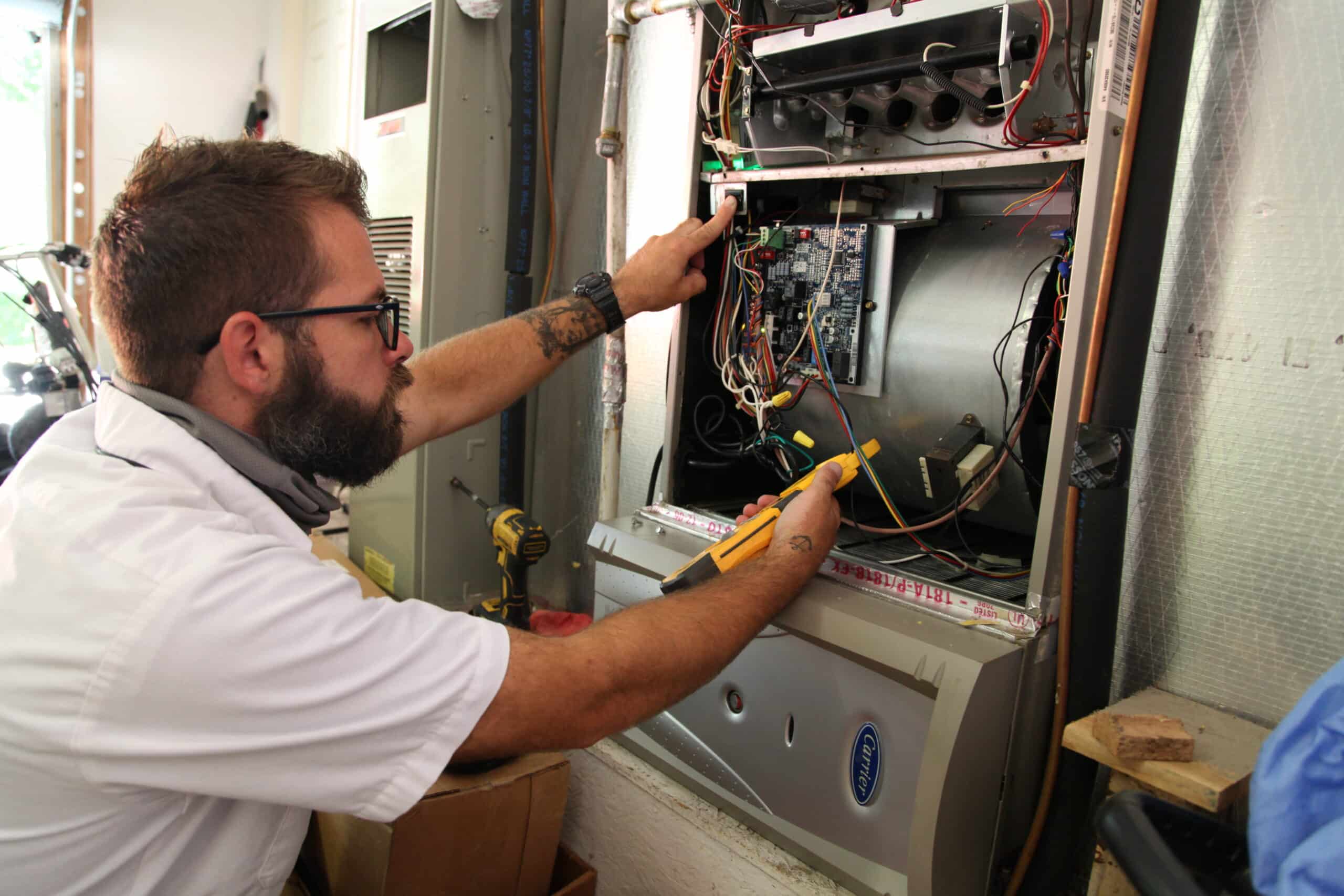
As an HVAC business owner, it’s important to prepare for the continued growth that’s coming to the industry. The Bureau of Labor Statistics expects 20,200 HVAC technician employment opportunities to open up between 2021 and 2031, due to increased demand.
Good HVAC business management is critical to growing your small business. A business manager’s job is to manage all of the day-to-day functions of a company to ensure success and growth. This can include setting and maintaining company culture, HVAC technician training, and marketing.
If you are starting an HVAC business, it’s important to incorporate business management tasks into your company structure. You may have already done so in your business plan, but it’s always worth refreshing your strategies.
Build Proper Company Culture
“Company culture” is the agreed-upon environment, beliefs, goals, behaviors, and systems within a workplace. Generally, there are a handful of variables that all companies deal with in their business management. In an HVAC business, these variables would include:
1.) Upholding of beliefs and values
It is important to establish your company’s core values and mission in the beginning. Values act like a guiding compass for your company. They determine how you treat people and how you operate. For example, if “compassion” is important to your business, then your employees and technicians will ensure that they are attentive listeners, kind to all, and willing to help customers and coworkers. If punctuality is extremely important to the business, you may implement late penalties and attendance policies. Understanding these goals in your business directly influences your systems and behavioral training.
2.) How decisions are made and communicated
As an HVAC business owner or business manager, it’s important that there is a clear decision-making and communication policy. A decision-making policy is not only informed by beliefs and values. It is a series of systems that directly affects how your technicians feel. In other words, how you make and communicate business decisions directly impacts company culture.
Are decisions in your company left to a single business manager? A small committee? Or perhaps you call a company-wide meeting with all of your HVAC techs and ask them for their input? If your technicians feel like you value their input as their leader, they may feel a sense of pride and responsibility in return.
It’s also important to establish how decisions and changes will be communicated. How soon after the decision is made? How long before the change takes effect? Will it be via email, or will you speak to each person one-on-one?
3.) Company goals and employee recognition
Research has shown that setting clear goals directly improves motivation and performance. As a business manager, it is important that your technicians want to do their best. When they are at peak performance, it improves both your bottom line and their job satisfaction–it’s a win-win!
As you grow your HVAC business, consider what goals you wish to reach with your business. Then turn those goals into individual goals for your technicians. Don’t forget to reward your employees either. Bonuses, title promotions, pay raises, or prizes are great ways to give back to your technicians for a job well done.
4.) How technicians are hired, trained, and promoted
Building a culture of learning within your workspace helps you develop talented, top-performing technicians. Efficient and effective training can reduce
callbacks and improve the bottom line. It also creates a healthy, motivated, and supportive environment for your team.
It’s been shown that new hire productivity increases by 50% when there is a structured training program in place, compared to an unstructured hiring and training process. Training should extend beyond onboarding. Consistent skill development improves performance in the field, which can increase referrals and reduce callbacks. Linking training to job promotions can also serve as motivation for technicians to improve their performance and reduce turnover.
Creating a company culture focused on training and rewarding new hires and tenured employees alike reaps nothing but benefit for a growing HVAC company.
Train Efficient HVAC Technicians
Successful and efficient training should be a top priority. Great technicians grow your HVAC business because they complete more jobs, reduce repeat service calls, and create happy customers.
Creating and maintaining a culture around great training is a big challenge. Not only does the training itself take time, but creating and sustaining a great training program requires effort and focus. You need to make sure the training is consistent across techs and stays current. Training needs to keep up with the latest codes, tools, and technology — books, manuals, and tools have a limited shelf life. Training needs to work for you no matter how your business grows and changes over time.
With digital training from Interplay Learning, you can build a top notch training program and free up more time for you to focus on your business. You can train your HVAC technicians quickly, efficiently, and effectively. It lets you hire anyone and get them job-ready faster to accelerate your revenue growth.
Digital training also acts like another expert on your team, which means your best HVAC technicians are spending more time serving customers than training new hires. Finally, Interplay Learning’s simulation training is more effective than traditional training methods. 3D and virtual reality simulation training allows technicians to put their knowledge to the test in a low-risk environment. They can practice “real world” scenarios and learn from mistakes without running the risk of injury, property damage, or customer dissatisfaction.
Provide Advanced Up-Sell Training
Growing your HVAC business requires that you go above and beyond for your customers. That means offering them special or premium upgrades to services they already require. One example of an up-sell in HVAC would be a product protection plan. Upgrading a customers HVAC system is the service they need, but offering them a protection plan would be an additional offering that is not required – benefitting both the business and the customer. For the customer, it increases satisfaction, since they are getting more than what they expected, even if it means investing a little bit more. For the business, they may have just gained a lifetime customer and referral sources, which brings in more business in the long run.
It is much easier to sell to a current customer than it is to get a new customer. In fact, current customers are 60-70% more likely to buy or upgrade than new ones. Up-selling benefits the business, because it increases revenue and customer loyalty. With so much opportunity to grow with your current HVAC customer base, it’s important that your team is trained in up-selling and sales techniques.
Invest In Marketing
While word-of-mouth marketing is the holy grail of promotion, it’s important to diversify your marketing. Some experts say you should have 6 – 12 marketing channels, but your marketing plan does not have to be complicated. Part of business management is understanding and implementing the best platforms for your business.
There are options for marketing both online and offline that could be effective. Online marketing strategies include email marketing, Google Ads, and social media. Monthly emails can include HVAC tips, seasonal promotions, or exciting company updates. Google Ads can get you seen by potential customers who are searching for “HVAC service near me.” A strong social media strategy can also get you in front of potential new customers who may be seeking information about HVAC maintenance and services. The key to online marketing is consistency. Social media marketing or online marketing campaigns are not meant to go viral or bring instant success.
You can also market “offline” by investing in real-world advertising opportunities. This can include airing a commercial on local radio stations, buying a billboard nearby, sending postcards by mail, or branding company trucks. These strategies get you seen by your local community and strengthen ties with potential customers.
Invest In Interplay
Part of good business management is investing in the tools and services that will help grow your HVAC business. When it comes to training your technicians, Interplay Learning is the best place to start.
Interplay Learning is building better careers and better lives for thousands of customers and their employees by improving training and education. Its digital experiential learning platform, Interplay Learning, for the essential skilled trades, is scalable and more effective than traditional training methods. By leveraging immersive learning technology, Interplay’s customers are able to train and practice hands-on learning from a desktop, phone, tablet or in virtual reality using short video courses, 3D simulations,and knowledge checks. The result is a highly trained employee who is job-ready in weeks, not years..
While there are many aspects to HVAC business management, deciding how technicians will be onboarded and trained does not have to be a difficult process. An investment in Interplay Learning is an investment in efficient and effective training. Highly skilled technicians lead to fewer callbacks, more referrals, and more growth.
Latest

Boosting Your Bottom Line: How to Maximize Training ROI

Why Gen Z Learners Need a Different Approach to Trades Education

5 Ways to Navigate the Teacher Shortage with Technology
6 Building Blocks Your Trades Program Needs to Win Funding, Improve Delivery, and Increase Access
Text
Bigger text
Line height
Text align
Readable font
Visual
Contrast
Grayscale
Hide images
Pause animations
Orientation
Screen reader
Highlight links
Reading mask
Outline focus
Sitemap
Page structure
Qualified